

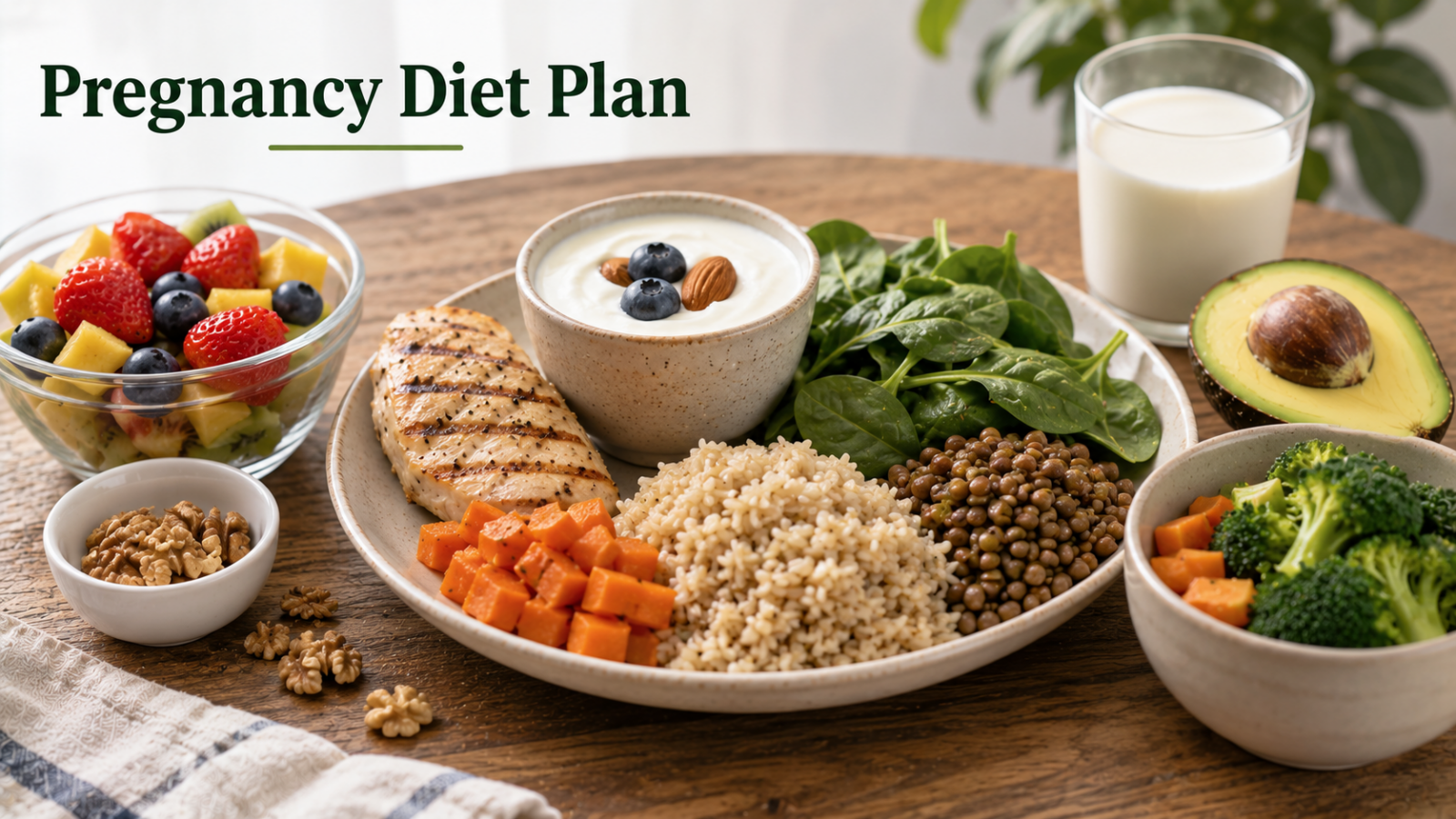
Navigating the right pregnancy diet plan can feel overwhelming, but leaning into a traditional, well-balanced Indian diet provides a fantastic foundation for both maternal health and fetal development. Rich in lentils, whole grains, seasonal vegetables, and dairy, an Indian meal structure naturally offers a macro-balanced approach that aligns beautifully with expert nutritional guidelines for a healthy gestation. Incorporating regional staples like iron-rich spinach (palak), calcium-dense paneer, and protein-packed dals ensures you are meeting the vastly increased daily requirements necessary to support your growing baby. This holistic, nutrient-dense strategy helps combat common prenatal fatigue while delivering sustained, blood-sugar-stabilizing energy to keep you fully energized and nourished throughout all three trimesters.
The Science of the Traditional Indian Diet
The traditional Indian diet is deeply rooted in Ayurvedic principles, which have long emphasized eating seasonal, freshly cooked, and easily digestible foods to uniquely support life stages like pregnancy (traditionally known as Garbhini Paricharya). While these historical practices were highly localized, modern nutritional science has thoroughly validated exactly why these ancestral eating habits are so incredibly effective. This contemporary understanding honors the foundational science behind maternal-fetal wellness, demonstrating how indigenous staples like ghee (for healthy fats) and amla (for vitamin C) perfectly bridge the gap between cultural heritage and optimal prenatal care. Furthermore, a balanced Indian vegetarian or omnivorous diet provides abundant dietary fiber and essential micronutrients critical during pregnancy, seamlessly promoting smooth digestion and preventing common gestational complications.
Why I Love This Guide
I love that this diet plan doesn’t require you to abandon your favorite cultural comfort foods or buy expensive, hard-to-find ingredients. Whether you are craving a warm bowl of soothing khichdi or a fresh, protein-packed moong dal chilla, this guide relies entirely on accessible, everyday Indian pantry staples. It serves as an incredibly flexible template for smart, time-saving weekly meal prep, allowing you to create nourishing, flavor-packed meals that the whole family can enjoy while perfectly supporting your pregnancy journey!
A Sample Indian Diet Plan For Pregnancy
Note: This is a generalized, highly nutritious template. Always consult your doctor or a certified nutritionist to tailor portions and ingredients to your specific medical needs and gestational diabetes requirements.
1. Early Morning (Pre-Breakfast) Starting your day right helps combat morning sickness and kickstarts your metabolism.
- Hydration: 1 glass of warm water (can be infused with a few drops of lemon).
- Nuts & Seeds: 4-5 overnight soaked almonds and 1-2 soaked walnuts.
- Alternative: A cup of ginger tea to settle the stomach, or fresh coconut water for vital electrolytes.
2. Breakfast (The Most Important Meal) Focus on complex carbohydrates and high-quality protein to provide sustained morning energy.
- Option 1: 2 Moong dal chillas (savory lentil pancakes) with mint chutney and a small bowl of curd.
- Option 2: A hearty bowl of vegetable Upma or Poha loaded with peas, carrots, and peanuts.
- Option 3: 2 Stuffed vegetable parathas (paneer, methi, or mixed veg) roasted with a touch of ghee, served with plain yogurt.
3. Mid-Morning Snack Keep your blood sugar perfectly stable before lunch with a light, hydrating snack.
- Option 1: 1 piece of seasonal fresh fruit (apple, pomegranate, or an orange for Vitamin C).
- Option 2: A refreshing glass of Chaas (buttermilk) with roasted cumin powder.
- Option 3: A small bowl of clear vegetable or spinach soup.
4. Lunch (A Balanced Thali) Your midday meal should be the heaviest and most macro-balanced meal of the day.
- Roti/Rice: 2 multi-grain or whole wheat rotis, or a moderate portion of brown/white rice.
- Protein (Dal/Meat): 1 large bowl of thick dal (Toor, Moong, or Masoor) OR 1 bowl of chicken/fish curry for non-vegetarians.
- Vegetables (Sabzi): 1 bowl of seasonal green vegetables (like palak, bhindi, or bottle gourd).
- Probiotics: 1 small bowl of fresh homemade curd or raita.
- Fiber: A small portion of fresh cucumber and carrot salad.
5. Evening Snack Combat the 4 PM slump with nutrient-dense, crunchy bites.
- Option 1: A handful of roasted Makhana (fox nuts) or roasted chana (chickpeas).
- Option 2: A slice of whole-grain toast with mashed avocado or peanut butter.
- Option 3: A glass of fresh fruit smoothie or a mild, decaffeinated tea with two digestive biscuits.
6. Dinner Keep dinner light, easily digestible, and consume it at least two hours before bedtime to prevent heartburn.
- Option 1: A warm, comforting bowl of vegetable Khichdi or Dalia (broken wheat) with a dollop of ghee.
- Option 2: 2 plain rotis with a light paneer or mixed vegetable sabzi and a side of dal.
- Option 3: Grilled chicken or fish with a large portion of sautéed vegetables and a small side of quinoa.
7. Bedtime Support bone health and induce restful sleep.
- Drink: 1 small cup of warm milk with a pinch of turmeric (Haldi doodh) or saffron to relax the body and mind.
Also Read : Salmon Cakes