

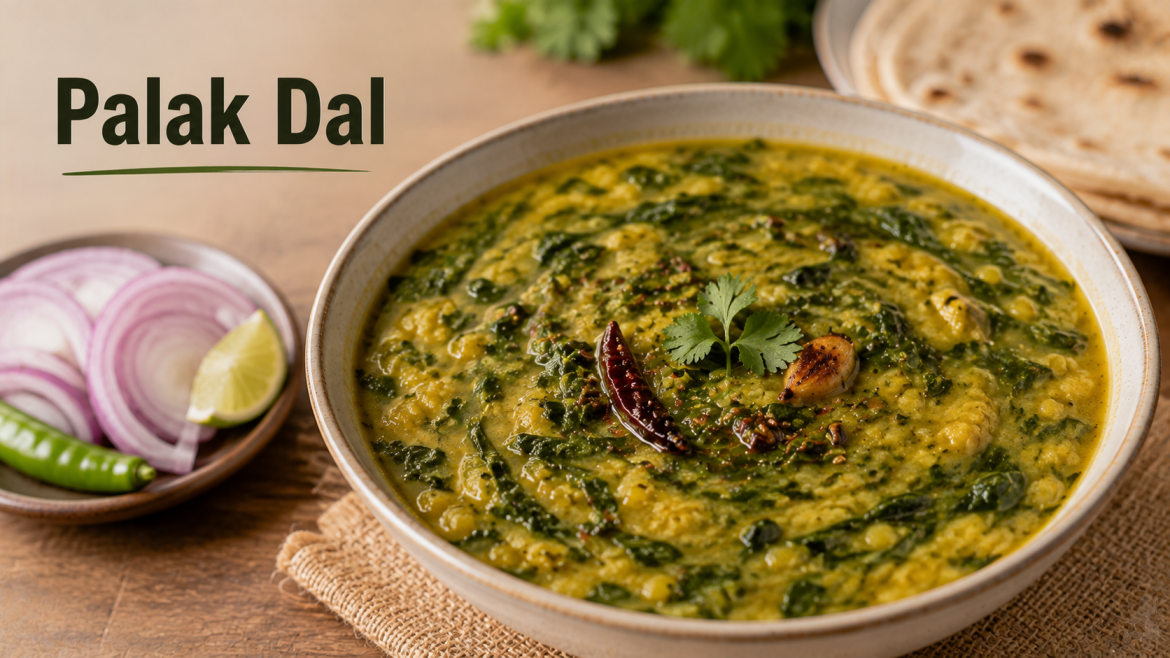
This incredibly wholesome, beautifully vibrant, and deeply comforting Palak Dal is the ultimate weeknight dinnertime savior for anyone looking to bring the hearty, earthy flavors of a traditional North Indian kitchen right into their own home. Whether you are meal-prepping for a busy academic week, feeding a health-conscious family, or simply searching for easy and healthy vegetarian dinner recipes to effortlessly elevate your meatless rotation, this lentil and spinach marvel hits all the right marks. Packed with protein-rich yellow lentils simmered to a creamy consistency and folded with fresh, iron-rich spinach, it delivers massive, homestyle satisfaction while remaining exceptionally budget-friendly, naturally gluten-free, and remarkably easy to assemble in under 30 minutes.
Origin Palak Dal
The culinary history of Palak Dal (literally translating to spinach and lentils) is deeply woven into the fabric of everyday Indian home cooking, particularly in the northern regions like Punjab. Lentils (dal) have been the primary source of sustaining protein in the Indian subcontinent for thousands of years. By incorporating fresh, seasonal leafy greens into the simmering pot, historic home cooks ingeniously stretched their resources while vastly increasing the nutritional density of the meal. Today, recognizing the profound health benefits of plant-based proteins and leafy greens, modern home cooks celebrate this vibrant, golden-green classic as a highly functional, nutrient-dense centerpiece that perfectly balances simple, rustic cooking methods with robust, aromatic indulgence.
Why I Love This Recipe
I love how this recipe transforms the most basic pantry staples and a handful of fresh greens into a genuinely spectacular, highly texturized centerpiece with practically zero complicated prep. It completely eliminates the heavy, sluggish feeling that often accompanies rich, cream-laden restaurant curries, relying instead on the natural creaminess of split lentils and the earthy brightness of fresh spinach to beautifully satisfy your appetite. It is one of the absolute best quick and comforting healthy dinner ideas because it is essentially a one-pot wonder that only gets better as it sits. You can serve your Palak Dal classically alongside steaming hot basmati rice, scoop it up with warm, buttery roti, or enjoy it on its own as a thick, nourishing soup on a chilly evening.
Tips for the Perfect Tempering (Tadka)
To achieve a flawlessly layered, deeply aromatic dish rather than a flat, one-dimensional lentil soup, managing your final tempering (called the tadka or chaunk) is absolutely critical. First, you must use high-quality ghee (clarified butter) rather than standard cooking oil if possible. This is an essential expert spice-blooming technique; the rich, nutty fat of the ghee rapidly extracts the fat-soluble flavor compounds from the cumin seeds and garlic, creating an incredibly aromatic oil. Furthermore, you must ensure your ghee is very hot, but not smoking, before dropping in the cumin seeds. They should sizzle vigorously and turn brown within seconds. Pouring this fiercely sizzling garlic and cumin tadka over the finished Palak Dal right before serving is the defining secret to authentic, restaurant-quality flavor.
Also Read : Virgin Moscow Mule
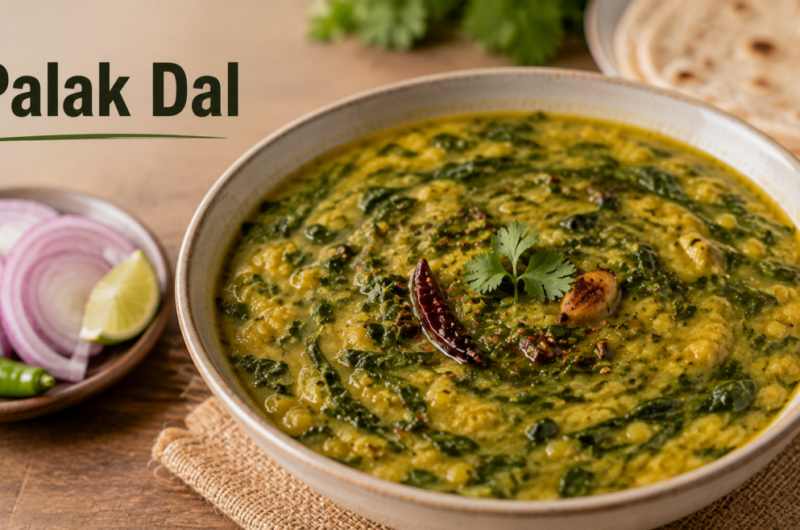
Palak Dal
Course: Side DishCuisine: North IndianDifficulty: Easy4
servings10
minutes25
minutes240
kcalIngredients
For the Dal:
1 cup Toor Dal (split pigeon peas) or Masoor Dal (red lentils), thoroughly rinsed
3 cups water
½ tsp turmeric powder
½ tsp fine sea salt
1 medium tomato, finely chopped
1 small green chili, slit lengthwise
3 cups fresh spinach (palak), roughly chopped
For the Tadka (Tempering):
2 tbsp ghee (or vegetable oil for a vegan version)
1 tsp cumin seeds
4-5 cloves garlic, very finely minced
1 dried red chili (optional, for smoky heat)
A pinch of asafoetida (hing) (optional, but highly recommended)
½ tsp Kashmiri red chili powder (for color)
For Garnish: A squeeze of fresh lemon juice
Directions
- Cook the Lentils: In a pressure cooker or Instant Pot, combine the rinsed lentils, water, turmeric powder, and salt. Pressure cook for 10-12 minutes (or about 3-4 whistles) until the lentils are completely soft and easily mashable. If using a standard pot, cover and simmer on the stovetop for about 25-30 minutes until tender.
- Mash and Simmer: Carefully open the pressure cooker. Use the back of a spoon or a whisk to lightly mash the cooked lentils until you achieve a creamy consistency. Turn the heat back onto medium-low.
- Add the Aromatics and Greens: Add the chopped tomato and slit green chili to the simmering lentils. Cook for 3-4 minutes until the tomatoes soften. Then, stir in the roughly chopped fresh spinach. Simmer for just 3 to 4 minutes until the spinach is brightly colored and wilted into the dal. Remove from heat.
- Prepare the Tadka (Crucial Step): In a small tempering pan or a small skillet, heat the ghee over medium-high heat. Once hot, add the cumin seeds and dried red chili. As soon as the cumin seeds splutter and turn brown (about 5-10 seconds), immediately add the minced garlic and asafoetida.
- Bloom the Spices: Sauté the garlic for 30 seconds just until it turns golden brown (do not let it burn). Remove the pan from the heat immediately. Stir in the Kashmiri red chili powder—it will instantly turn the hot ghee a beautiful, vibrant red.
- The Flavor Finish: Immediately pour the sizzling spiced ghee directly over the cooked spinach and lentils. Cover the pot with a lid for 2 minutes to trap the smoky aromas inside.
- Serve: Stir the tadka gently into the dal. Squeeze fresh lemon juice over the top to brighten the earthy flavors. Serve your stunning, comforting Palak Dal piping hot with basmati rice or fresh chapati!
Notes
- Vegan Alternative: To make this recipe completely vegan, simply substitute the ghee with coconut oil or a neutral vegetable oil during the tempering stage.
- Using Frozen Spinach: You can absolutely use frozen spinach if fresh is out of season. Just ensure it is thawed and the excess water is squeezed out before stirring it into the cooked lentils.
- Storage: Store leftovers in an airtight container in the refrigerator for up to 4 days. The flavors deepen beautifully overnight. You may need to add a splash of water when reheating, as the lentils will thicken in the fridge.