
If you’re unsure of the rules on fish and pregnancy, you’re not alone: There’s been plenty of conflicting views over the years. Fish is heart healthy! But wait, it also contains mercury. Fish is loaded with baby-friendly DHA! But not so fast — it also has PCBs.
So what’s the real dish on fish during pregnancy? Here’s the lowdown on what’s safe and what’s not when it comes to seafood.
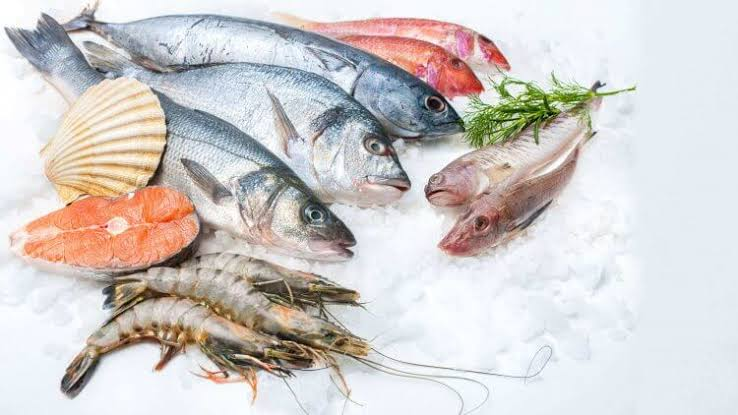
- Fish is safe — and recommended — during pregnancy: Aim for 8 to 12 ounces (that’s about two to three servings) per week of low-mercury seafood to support your baby’s brain development, growth, heart health, and more.
- Avoid high-mercury fish and limit certain types when you’re expecting. Skip shark, swordfish, king mackerel, marlin, bigeye tuna, orange roughy, and Gulf tilefish; limit certain others (like albacore tuna, halibut, snapper) to one serving per week.
- Always cook your seafood thoroughly. Stick to low-mercury picks like salmon (preferably wild), shrimp, cod, pollock, and canned light tuna; avoid raw or undercooked seafood, and cook it to 145°F to reduce bacteria and parasite risks.
Is fish safe during pregnancy?
Eating enough of the right types of seafood is not only healthy but recommended for both you and your baby when you’re pregnant.
Pregnant and breastfeeding women should eat 8 to 12 ounces (that’s two to three servings) of low-mercury fish every week, according to the American College of Obstetricians and Gynecologists.[1]
What types of fish should you avoid during pregnancy?
Though the benefits of fish are many, you should still avoid a few types during pregnancy. Some — particularly large, ocean-faring, predator-types — contain high levels of mercury, a distinctly baby-unfriendly toxin. Others — especially those that live in polluted lakes and rivers — can harbor polychlorinated biphenyls (PCBs), chemicals you definitely don’t want to feed a fetus or an infant.
To play it safe, avoid or limit the following fish while you’re pregnant and nursing:
Fish to avoid during pregnancy
It’s best to avoid these seven types of fish, which are all higher in mercury:
- Tilefish from the Gulf of Mexico
- Shark
- Swordfish
- Orange roughy
- Bigeye tuna
- Marlin
- King mackerel
Fish you should limit to one serving per week during pregnancy
The following fish are considered “good to eat,” which means you can safely eat one serving per week (approximately 4 ounces):
- Bluefish
- Buffalofish
- Carp
- Chilean sea bass
- Grouper
- Halibut
- Mahi mahi
- Monkfish
- Rockfish
- Sablefish
- Sheepshead
- Snapper
- Spanish mackerel
- Striped bass (ocean)
- Tilefish from the Atlantic Ocean
- Albacore white tuna (canned, fresh or frozen)
- Yellowfin tuna
- Weakfish/seatrout
- White croaker/Pacific croaker
See the full list Opens a new windowfrom the FDA.
Exercise extra caution if you’re planning to eat recreationally-caught fish: Check local state advisories Opens a new windowfor the waters where the fish was caught. If no information is available, stick to one serving of these fish per week, with skin and excess fat removed.
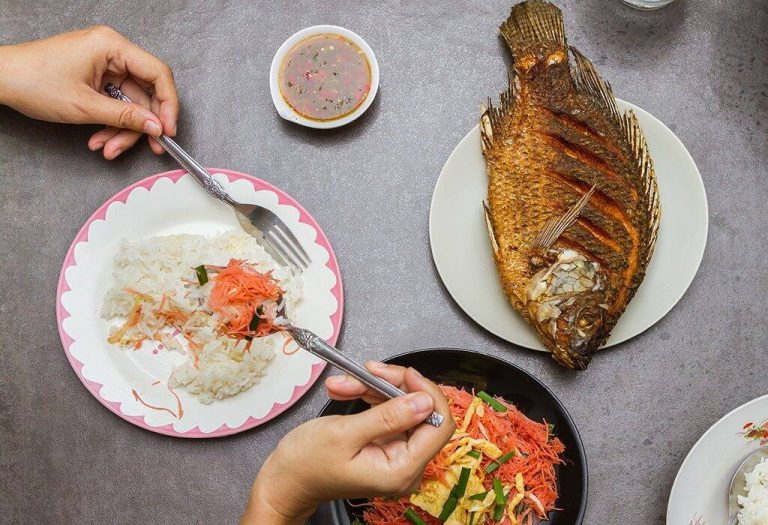
What types of fish are safe to eat during pregnancy?
Despite the long list of fish to limit during pregnancy, the vast majority of fish you’ll find in the store and at restaurants are safe to eat when you’re expecting at two to three servings (8 to 12 ounces) per week. These include:
- Wild salmon
- Shrimp
- Catfish
- Tilapia
- Sole
- Flounder
- Haddock
- Halibut
- Ocean perch
- Pollock
- Cod
- Canned light tuna
- Crab
- Crawfish
- Lobster
- Hake
- Clams
- Black sea bass
- Anchovies
- Trout
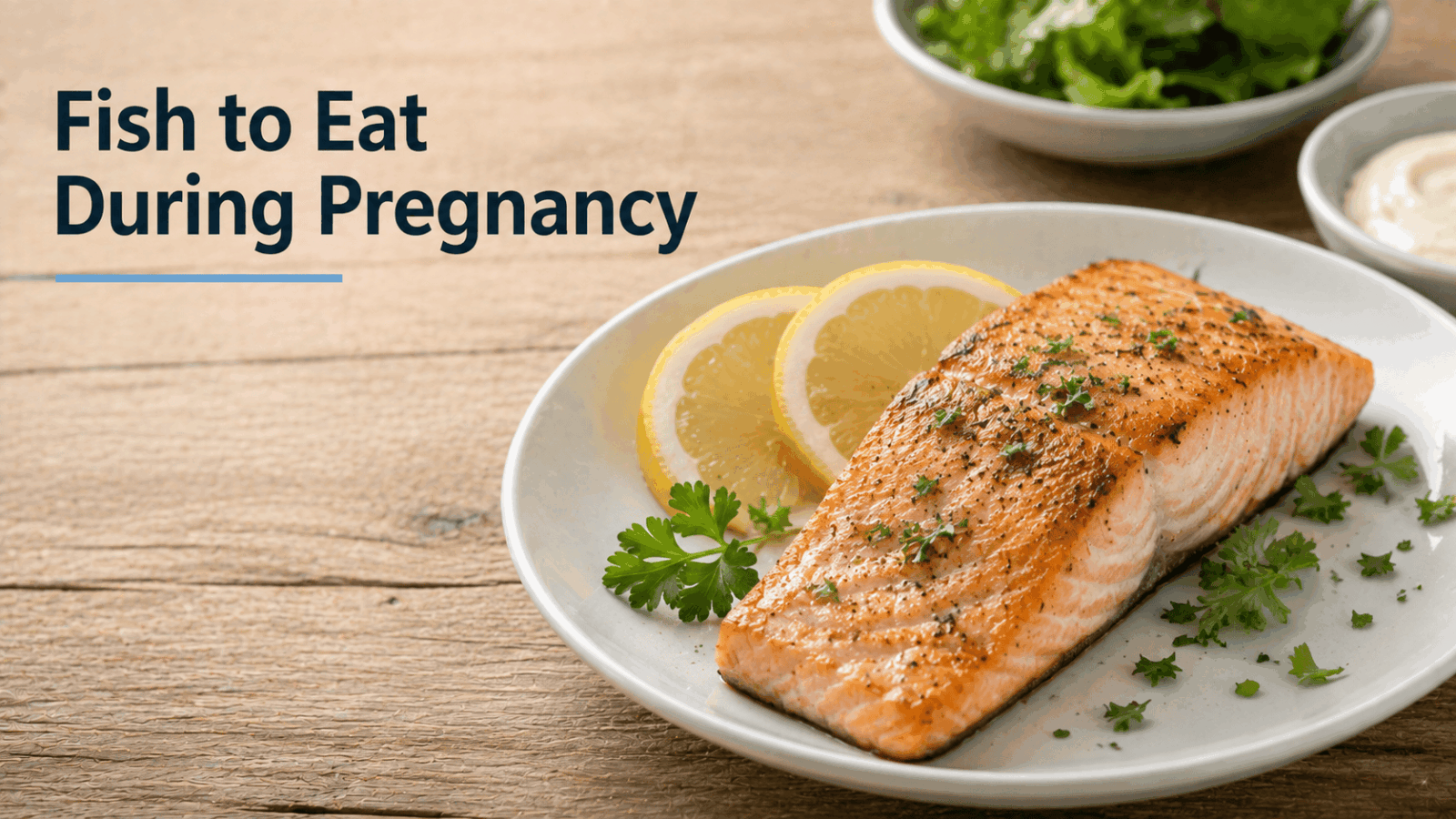
Heard conflicting advice on salmon during pregnancy? Salmon is definitely one of nature’s best providers of DHA. But to avoid the higher levels of PCBs often found in farmed salmon, opt for wild (which also contains more of those healthy omega-3 fats) or organic farmed salmon.
Best Foods to Eat While Pregnant
How to properly prepare fish during pregnancy
By now you’ve probably heard that you should avoid sushi during pregnancy — and the same goes for any other raw (oysters, ceviche, smoked salmon) or undercooked fish, since they can contain bacteria and parasites (like Listeria) that are dangerous for your developing baby.
Here are a few tips on how to prepare fish that will reduce your exposure to any potential contaminants:
- If you’re buying fresh seafood, properly refrigerate it. Store it in the fridge in a sealed container if you’re not cooking it immediately.
- Use separate cutting boards for meats (including fish) and fruits/veggies.
- Don’t reuse marinades.
- Cook seafood (all types, including shucked clams, oysters, shrimp, lobster, and scallops) until it reaches an internal temperature of 145° Fahrenheit. If a thermometer isn’t available, you’ll know it’s done when the flesh is opaque (milky white) and the filets flake easily with a fork.
- Cook clams, mussels, and oysters still in their shells until they open; throw away any that don’t.
Benefits of fish during pregnancy
The good news (at least for moms who enjoy seafood) is that fish really does offer big benefits for both pregnant women and their developing babies. Eating fish:
- Supports fetal growth. Fish is a first-rate source of lean protein and its essential amino acids that help create all of your baby’s cells — from skin and muscle to hair and bones.
- Is good for your baby’s brain. Fattier varieties of fish in particular, like salmon, are a source of the omega-3 fatty acid DHA, which has been shown to boost baby brain power. It’s more important than ever in the third trimester, when your baby’s brain growth is fast and furious.
- Boosts your memory. Speaking of boosted brain power, getting enough omega-3s may also improve your memory — especially helpful when you’re battling a case of pregnancy brain.
- Improves your mood. An adequate intake of omega-3 fatty acids and especially DHA may decrease your risk of depression during pregnancy as well as postpartum depression.
- Supports your heart. A diet rich in fish can lower your risk of cardiac disease by reducing blood clotting and levels of triglycerides (blood fat) as well as lowering blood pressure if you have preexisting hypertension.
- May reduce risk of preterm birth. Scientists have observed that rates of preterm birth are lower in areas where people eat a lot of fish — and some studies have indeed linked adequate omega 3 intake (whether through fish or supplements) to a lower risk of preterm birth.
Want more daily tips on what’s safe, as well as expert-backed advice? Give the What to Expect app Opens a new windowa try — it’s like having a pregnancy buddy in your pocket.
From the What to Expect editorial team and Heidi Murkoff, author of What to Expect When You’re Expecting. What to Expect follows strict reporting guidelines and uses only credible sources, such as peer-reviewed studies, academic research institutions and highly respected health organizations. Learn how we keep our content accurate .
Also Read : Chicken Noodle Soup: Pregnancy Trimester Tips